IS YOUR BIG IDEA READY
TO GO WILD?
DON’T BE SHY. SAY HI TO UNLOCK CREATIVITY AND INNOVATION FOR YOUR SEAMLESS PROJECT
ShiftingS
0


Blog Details
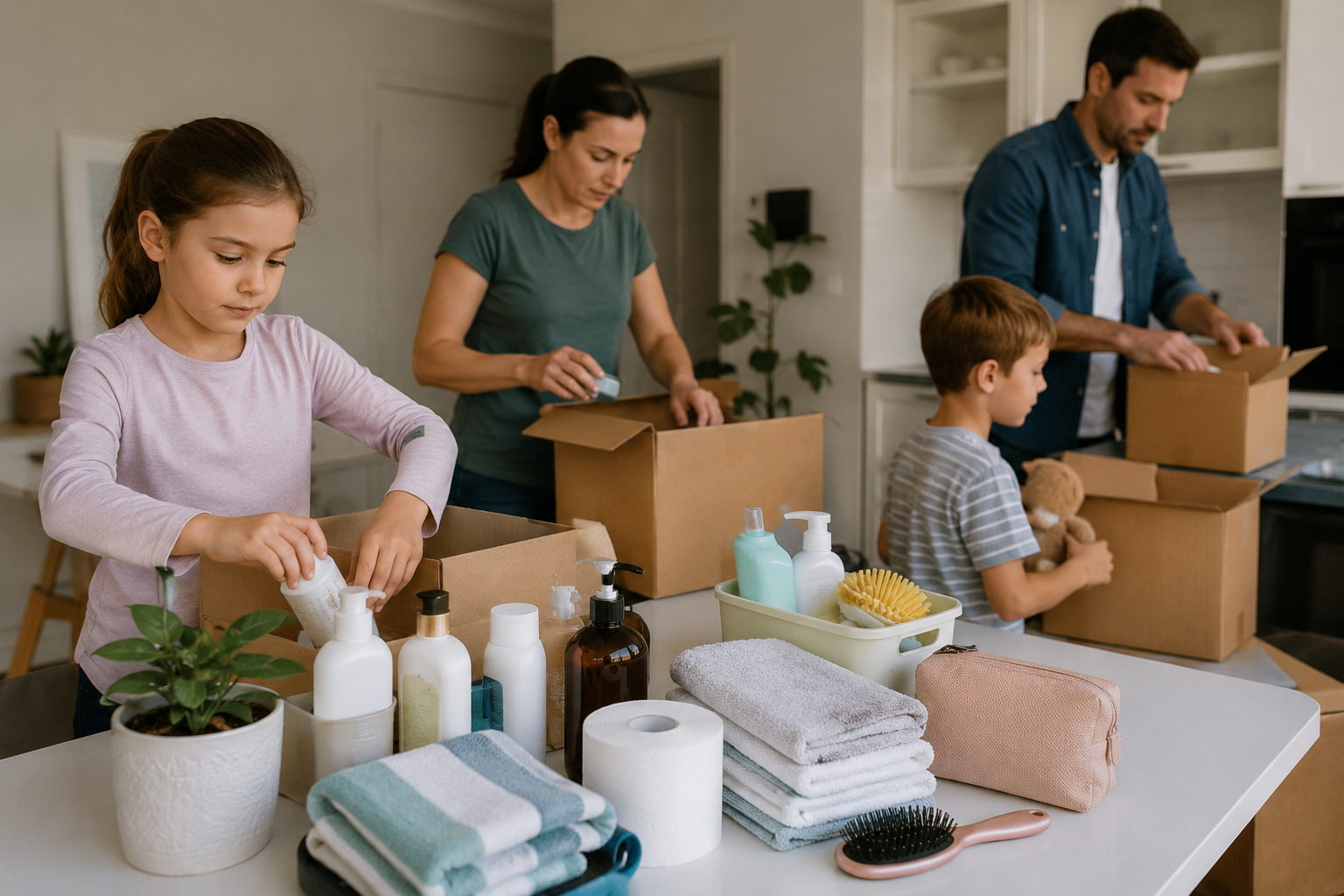
Knowing what to pack last before moving helps keep essential items accessible until you leave. Toiletries, chargers, documents, clothes, bedding, cleaning supplies, basic kitchen items, medication, pet supplies and children’s essentials should stay available for moving day and the first night.
Packing everything too early can make the last few hours before a move harder than they need to be. You may still need your phone charger, toiletries, cleaning products, important documents or something to eat.
Knowing what to pack last before moving helps you keep the things you need until the final stage while making sure the rest of the house is ready for the removalists.
The aim is simple: have most of your belongings packed before moving day, while keeping a small group of essential items accessible until the end.
The items you use right up until you leave should generally be packed last. These are usually things you need for personal care, basic meals, cleaning and the final check of your home.
Your last items may include toiletries, a change of clothes, phone and laptop chargers, important documents, basic kitchen items, cleaning supplies, towels, bedding, pet supplies, children's essentials, medication and other personal necessities.
Keep these items separate from the boxes going onto the moving truck if you will need them during the journey or immediately after arriving.
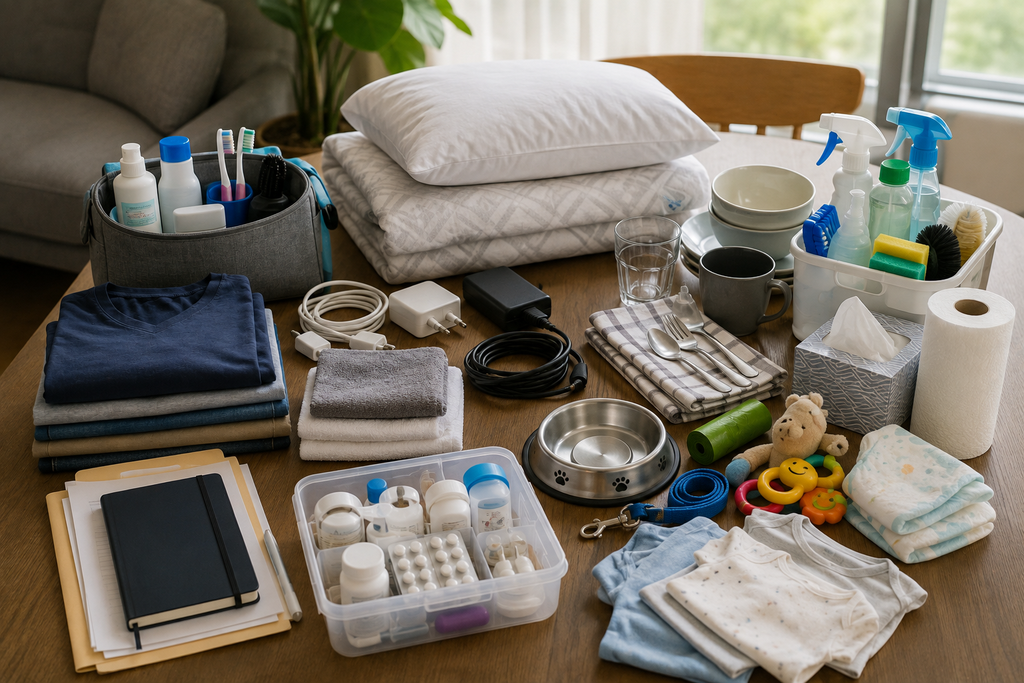
One of the easiest ways to stay organised is to prepare a moving day bag.
Think of it like a small overnight bag. It should contain anything you would normally carry if you were spending a night away from home.
Include things such as your wallet, keys, phone charger, toiletries, a change of clothes and any important personal items.
If you are moving with children, pack the things they are likely to need during the day. If you have pets, keep their food, water bowl, medication and other essentials somewhere easy to reach.
The important thing is that this bag should stay with you, rather than being loaded into the moving truck.
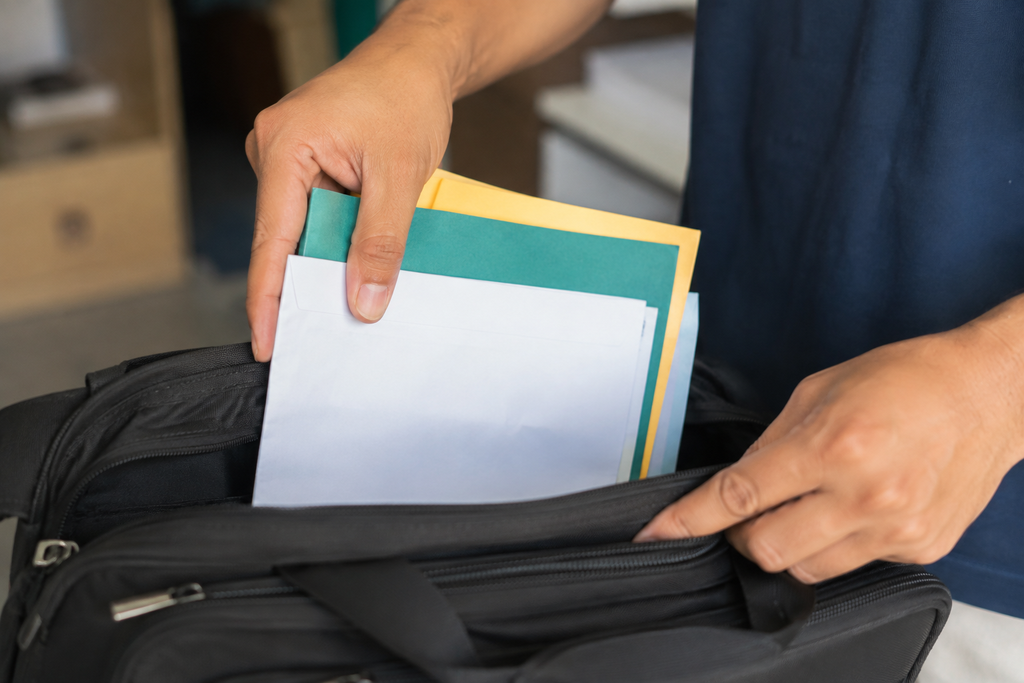
Documents should not be packed into a box that will be transported with your furniture.
Keep passports, identification, property documents, rental paperwork, insurance information, financial documents and other important papers in a secure folder or bag.
You may also need access to these documents during the move, so keeping them with you makes more sense than putting them in the truck.
You will probably use your bathroom on moving day, so there is little reason to pack everything the night before.
Keep your basic toiletries available until you are ready to leave. This may include your toothbrush, toothpaste, soap, deodorant, skincare products and a towel.
Once you have finished using them, place them in your moving day bag or a clearly marked essentials box.
Your old home may need a final clean after the furniture and boxes have been removed.
Keep a few basic cleaning supplies available until the end. You may need a vacuum or broom, rubbish bags, cloths and a suitable household cleaner.
It is also useful to keep some cleaning items for your new home. If the property is empty when you arrive, you may want to wipe down surfaces or clean a particular area before unpacking your furniture.
You do not need to keep your entire cleaning cupboard accessible. Just set aside enough for the final clean.
You do not need to leave your entire kitchen unpacked.
Instead, keep a few basic items available for the final hours before leaving. A cup, plate, cutlery, kettle, water bottle and simple food can be useful.
Moving day can be tiring, so having something easy to eat and drink is better than discovering that everything has already been packed.
If you are travelling a long distance, pack food and water separately so you can access them without opening moving boxes.
This is an easy mistake to make.
Keep your phone charger, power bank and other essential chargers somewhere accessible. You may need your phone throughout moving day to communicate with the removalists, property manager, family members or other people involved in the move.
If you work from a laptop, keep its charger with you as well.
Small electronic accessories are also easy to lose when they are placed into random boxes, so keeping them together in your essentials bag can save time later.
If you are moving locally and plan to sleep at your new home on the same night, keep your bedding available.
You can pack most of your bedroom well before moving day, but leave the bedding you are currently using until the final stage.
Once the bed has been dismantled, put the sheets, pillows and blankets together in a clearly labelled bag or box.
This makes it easier to set up the bed when you arrive at your new home.
Children and pets can find moving day stressful because their normal surroundings are changing.
Keep their basic essentials accessible rather than packing everything into the moving truck.
For children, this may include snacks, water, a change of clothes, comfort items and anything they need during the journey.
For pets, keep food, water, leads, medication and other familiar items with you.
Having these things ready can make the day easier for everyone.
Some items should stay with you rather than being packed with household belongings.
Important documents, valuables, personal medication and items you may need during the journey are better kept in your possession.
You should also check with your removalist about items they cannot transport. Certain hazardous materials, flammable products and other restricted items may not be suitable for a moving truck.
If you are unsure about a particular item, ask before moving day rather than leaving it until the last minute.
Ideally, most packing should be finished before the removalists arrive.
The final packing should be limited to the things you have intentionally kept out for moving day.
If you still have several rooms full of unpacked belongings when the removalists arrive, the move may take longer because packing and loading have to happen at the same time.
If you are using professional packing services, discuss the packing schedule with the removalists in advance. This can help you understand what will be packed and when.
Once the majority of your belongings are packed, give yourself some time to prepare the property.
Make sure boxes are closed and labelled where possible. Clear paths between rooms, the entrance and the loading area. Remove items that could cause trips and keep your essentials separate.
If you live in an apartment, make sure your lift booking, parking arrangements and building requirements are already confirmed.
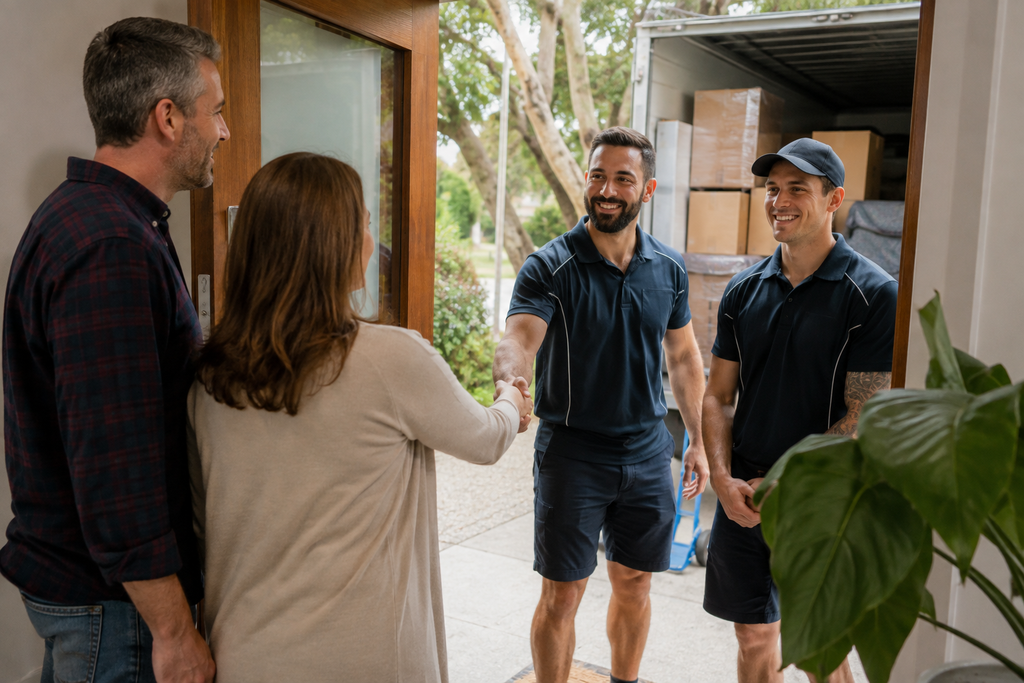
It is also helpful to tell the removalists about any large, fragile or difficult-to-move items before they begin.
Good preparation means the removalists can spend their time safely loading and transporting your belongings rather than waiting for last-minute packing to finish.
A first night box is slightly different from your moving day bag.
It contains the things you are likely to need once you arrive at your new home, before you have unpacked everything.
You might include toilet paper, basic toiletries, towels, bedding, simple kitchen items, chargers and a few cleaning products.
Label the box clearly and keep it somewhere easy to identify. You will be glad to have it when you arrive at a home surrounded by dozens of moving boxes.
The best approach is to divide your final items into three groups.
Your moving day bag should contain things that stay with you, such as documents, chargers, valuables and personal items.
Your first night box should contain things you will need shortly after arriving, such as bedding, toiletries and basic kitchen supplies.
Everything else should already be packed and ready for the removalists.
This simple separation prevents important items from getting buried in the moving truck.
Knowing what to pack last before moving can make the final hours much less stressful. Most of your home should already be packed, while everyday essentials such as toiletries, chargers, documents, basic food, cleaning supplies and bedding can stay out until the end.
Keep important and valuable items with you, prepare a moving day bag and make a separate first night box for your new home.
The more organised these final items are, the easier it will be for your removalists to start loading on time and keep your move running smoothly.