IS YOUR BIG IDEA READY
TO GO WILD?
DON’T BE SHY. SAY HI TO UNLOCK CREATIVITY AND INNOVATION FOR YOUR SEAMLESS PROJECT
ShiftingS
0


Blog Details
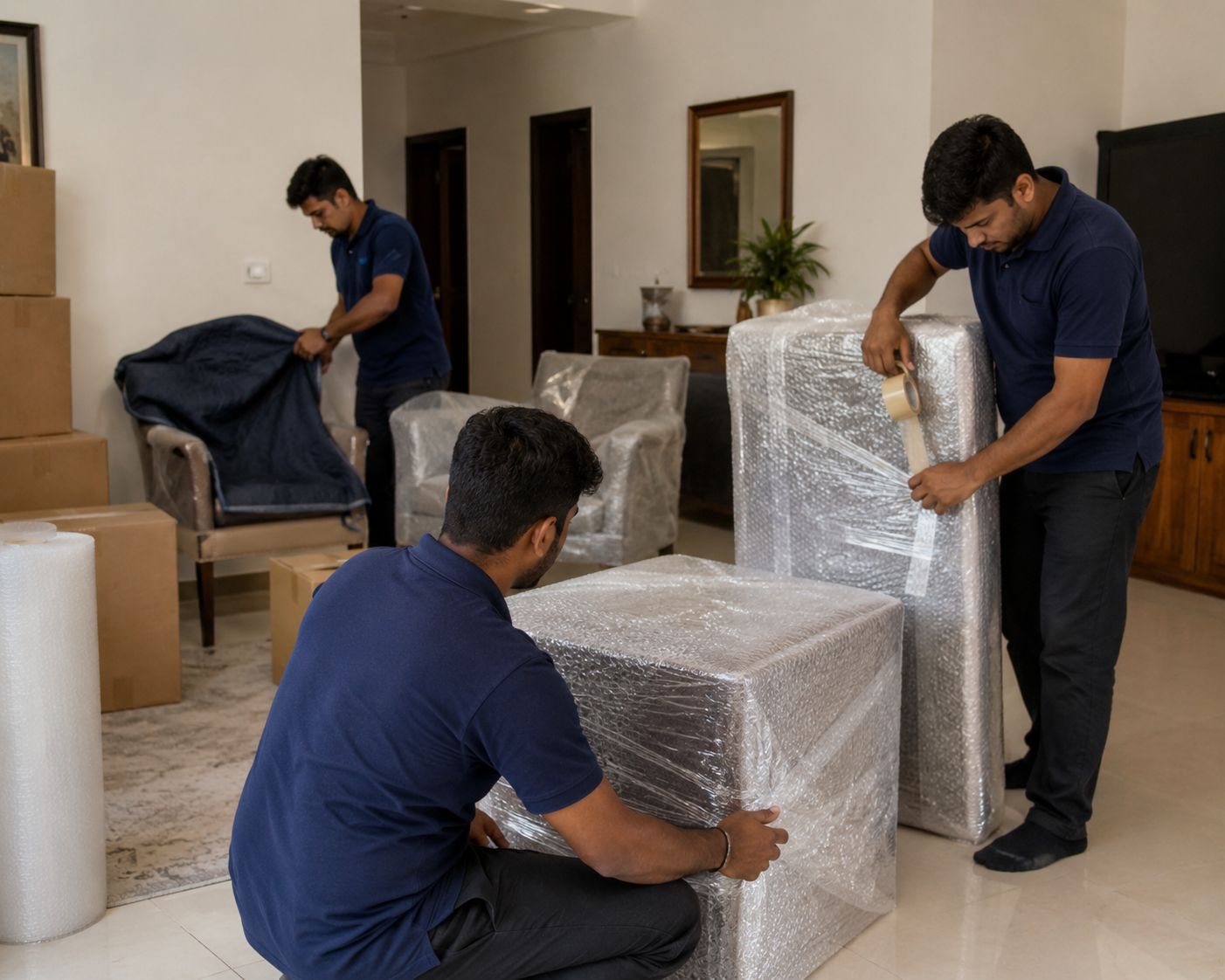
To protect furniture during a move, use suitable moving blankets, padding and covers based on each item's material and size. Proper preparation, corner protection, careful handling and secure loading can help prevent scratches, dents, moisture damage and other common moving damage.
Furniture is often one of the most difficult parts of a house move. Large tables, sofas, beds and cabinets can be heavy, awkward to carry and easy to scratch or damage.
Knowing how to protect furniture during a move can help prevent marks, dents, broken parts and moisture damage. The right approach depends on the type of furniture, how it will be moved and how long it will be in transit.
Furniture can be damaged at several stages of a move. It may be scratched while being carried through a doorway, knocked against a wall, damaged during loading or affected by movement inside the truck.
Moisture can also be a problem, particularly when moving in wet weather. Even a short exposure to rain can affect wooden surfaces, fabrics and other materials.
Protection is therefore not only about wrapping furniture. It also involves preparing each item properly, creating clear paths and securing everything for transport.
Before wrapping anything, remove loose items from the furniture.
Take books, cushions, decorations and other items off shelves, tables and cabinets. Remove drawers where practical and secure doors so they do not open while the furniture is being carried.
If a piece can be safely dismantled, consider removing legs, shelves or other removable parts. A smaller item is often easier to carry through doorways and staircases.
Keep screws, bolts and other small parts together in labelled bags so they are easy to find when it is time to reassemble the furniture.
Moving blankets are useful for protecting many types of furniture.
A good-quality moving blanket creates a padded layer between the furniture and other objects. It can help reduce scratches, scuffs and minor impacts while items are being carried or transported.
Wrap larger pieces such as sofas, wardrobes, cabinets and tables carefully, making sure exposed edges and corners are covered.
The blanket should stay in place during handling. Straps or suitable wrapping materials can help secure it without putting unnecessary pressure on delicate surfaces.
Corners are often the first part of furniture to hit a wall, doorway or another object.
Pay extra attention to the corners of tables, cabinets, desks and other rigid furniture. Use padding around sharp or exposed edges before carrying the item.
This safe packing protects both the furniture and the property. A padded corner is less likely to leave a mark if it comes into contact with a wall or door frame.
Wooden furniture can be particularly vulnerable to scratches, dents and moisture.
Start by cleaning the surface and removing loose objects. Then cover the furniture with a suitable moving blanket or furniture pad.
Avoid dragging wooden furniture across floors. Even when the surface looks strong, dragging can damage the furniture's legs or underside and may scratch the floor.
When possible, lift the furniture with enough people rather than trying to move it alone.
Wooden furniture should also be kept dry. If you are moving during wet weather, protect it while it is being taken between the property and the moving truck.
Sofas are large and can easily rub against walls and door frames.
Before moving one, remove cushions and check whether the legs can be removed. This can make the sofa easier to handle.
Use a clean protective cover or moving blanket over the sofa. Pay particular attention to the arms and corners because these areas often come into contact with doorways during the move.
For fabric sofas, keeping the covering clean and dry is especially important. Avoid trapping moisture against the fabric for long periods.
Glass furniture requires more care than solid wooden pieces.
Glass tabletops, shelves and cabinet doors should be removed where possible and wrapped separately. Bubble wrap or suitable protective padding can provide an additional layer of protection.
Do not place heavy objects on top of glass during transport.
Glass pieces should also be positioned so they cannot slide or fall. If you are unsure whether a glass item can be safely dismantled or transported, it is better to have it assessed before moving day.
Plastic wrap can be useful for holding blankets and protective materials in place, but it should not automatically be used directly on every type of furniture.
For example, wrapping certain surfaces tightly in plastic can trap moisture. This can be particularly concerning if furniture is being stored or transported for a longer period.
A better approach is to use the right protective layer for the material and use plastic wrap only where appropriate to keep the protection secure.
Brisbane weather can change quickly, so it is worth having a wet-weather plan.
Furniture should not be left exposed to rain while being carried between the house and the truck. Use suitable covers and keep the route between the property and vehicle as protected as possible.
Extra care is needed with mattresses, sofas, wooden furniture and electrical items because moisture can cause lasting damage.
If heavy rain is forecast, speak with your removalists about how the move can be managed safely.
Protecting furniture does not stop once it leaves the house.
Items need to be loaded carefully so they do not move around during transport. Furniture should be positioned and secured according to its size, weight and shape.
Heavy items should not be placed where they can fall onto fragile belongings. Gaps between furniture and other items should also be managed so that objects cannot shift unnecessarily while the truck is moving.
This is particularly important for longer journeys where furniture may be exposed to movement for several hours.
Furniture protection also means protecting the property you are leaving and the property you are moving into.
Before moving large items, clear the path and remove objects that could cause trips or collisions. Use suitable floor protection where required, especially on delicate surfaces.
Take extra care around narrow doorways, staircases and corners. Large furniture can easily mark walls when there is not enough space to turn or reposition it.
Planning the route before lifting a heavy item can prevent unnecessary damage.
Some furniture is simply too large, heavy or delicate to move safely without the right equipment and experience.
Professional furniture removalists can assess access, determine whether items need to be dismantled and use suitable equipment and protective materials.
This can be particularly useful for large wardrobes, pianos, glass furniture, heavy tables, bulky sofas and items that need to be moved through stairs or tight spaces.
If you are unsure how to move a particular item, getting professional advice before moving day can be safer than trying to work it out while the furniture is already being carried.
The best way to protect furniture during a move is to prepare each item according to its material, size and shape.
Use padding for hard surfaces, protect vulnerable corners, wrap fragile pieces separately and keep furniture dry. Make sure items are handled carefully and secured properly during transport.
Most importantly, do not treat every piece of furniture in the same way. A wooden dining table, leather sofa and glass cabinet all need different levels and types of protection.
A little preparation before moving day can prevent expensive damage and make the entire move easier.