

Good to know: Inner-city Brisbane has reduced minimum parking requirements in new apartment developments, which means loading zones near buildings are often limited or non-existent. Plan ahead.
How removalists choose the right truck size
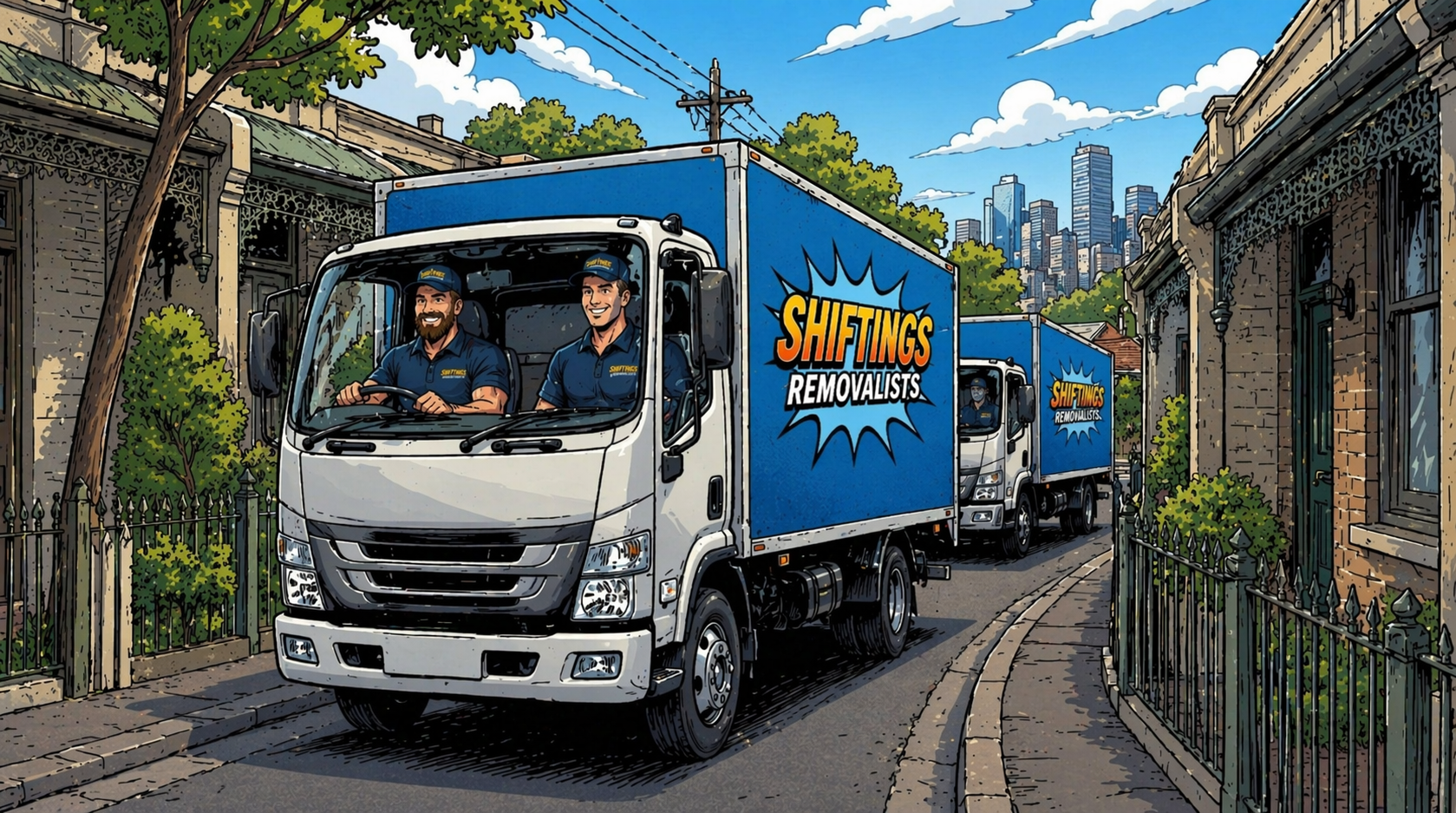
Before moving day, experienced Brisbane removalists assess both addresses for access. A large 12-tonne truck that works perfectly for a house in Carindale may be completely unsuitable for a unit in West End where the street width barely fits two cars side by side. For tight streets or apartment buildings, removalists often use smaller trucks or split the load across multiple trips. While this may take longer, it avoids the risk of a truck getting stuck, damaging vehicles parked on the street, or blocking traffic all of which add cost and stress to your moving day.
Ask your removalist: What size truck are you bringing, and have you moved in this suburb before?
Navigating narrow and hilly Brisbane streets
In suburbs with steep driveways or narrow lanes, removalists plan their truck positioning carefully. They scout for the closest legal parking spot, map out a clear walking path from the truck to the front door, and bring enough crew members so items aren't rested on slopes or awkward surfaces mid-carry. For homes on steep blocks common in Paddington, The Gap, and Ashgrove furniture trolleys with brakes are essential. Heavier items like fridges, washing machines, and wardrobes are moved with furniture sliders and shoulder dollies to reduce injury risk and protect flooring on inclines.
Local insight: Some Paddington streets are so steep that removalists carry items in shorter relays rather than one long carry it's safer and faster than it sounds.
Apartment lift bookings explained
Most Brisbane apartment buildings require you to book the lift in advance for moving purposes. This is separate from the passenger lift many buildings have a dedicated service or goods lift, and there's usually a set window during which you can use it. Missing or not having a lift booking can stop a move entirely. Building managers are within their rights to refuse access if paperwork isn't in order. Good removalists know this and will ask you to confirm your lift booking before they arrive. Key things to confirm with your building manager before moving day. Your preferred time slot, whether padding or lift protection is required (most buildings insist on it), and whether there are specific entry and exit points for moving crews.
Timeline tip: Contact your building manager at least 5-7 days before your move to book the lift. Peak times fill up fast.
Dealing with body corporate and strata rules
Body corporate rules vary between buildings, but common requirements include moving only during approved hours, providing proof of the removalist's public liability insurance, protecting common area floors and walls, and sometimes paying a refundable bond to the building. Professional removalists are used to these requirements and carry the necessary insurance documentation. Always check your body corporate by-laws before booking your move and pass the rules on to your removalist so there are no surprises on the day.
Watch out for: Some buildings in Fortitude Valley and South Brisbane do not allow moves on Sunday at all. Check before you book.
Parking permits for moving trucks in Brisbane
In Brisbane's inner suburbs, on-street parking for large trucks is tightly regulated. Brisbane City Council requires commercial vehicles to apply for a parking permit if they need to stop in a clearway or restricted zone during a move. Services like Moving Permits allow you to reserve a legal parking space directly in front of your property on moving day. Without a permit, trucks may be forced to park around the corner which adds time and effort to every single trip. In the worst case, a truck can be fined or towed.
Action item: Apply for your truck parking permit at least 3-5 business days before moving day. Brisbane City Council's commercial vehicle parking permit page is the right starting point.
Equipment removalists use for tight spaces
Moving through narrow hallways, small lifts, or steep stairs requires the right tools. Professional removalists dealing with Brisbane's trickier properties typically bring. Furniture sliders, shoulder dollies and straps, stair-climbing trolleys, moving blankets, and furniture disassembly tools. In some cases like moving a grand piano or a large sectional sofa into a Kangaroo Point high-rise, furniture may need to be hoisted externally using a furniture elevator or lift crane. This is a specialist service, and not all Brisbane removalists offer it, so ask upfront if you have oversized items.
What you can do to help before moving day
The removalists will handle the heavy lifting but there are a few things you can do to make the job faster and smoother. Measure your large furniture and your new property's doorways, hallways, and lift dimensions in advance. Disassemble what you can before the crew arrives. Label boxes clearly with the room they go to. Have your lift booking confirmation and body corporate approval ready to show the crew on arrival. And if you're on a narrow street, let your neighbours know the day before so they can move their cars.
Time saver: Every 15 minutes saved on access logistics can reduce your hourly removalist bill. Good preparation pays for itself.
The bottom line
Moving in Brisbane's inner-city suburbs and apartments is more complex than a standard house move but it's completely manageable with the right removalist and a bit of preparation. The key is to sort access logistics early. Book the lift, apply for the parking permit, check the body corporate rules, and brief your removalist on what they're walking into. At Shiftings, we know Brisbane's streets, suburbs, and apartment buildings. We handle the hard access so you don't have to.